Many people say they “love animals.” They adore puppies, share videos of cute kittens, and feel affection for pets. But animal liberation asks a deeper question: is love enough if the animal is not free?
Animal love is often selective and sometimes selfish. We cherish animals that we find cute or useful—dogs, cats, maybe cows or horses—while ignoring the suffering of others. Even within this love, cruelty can hide. For example, breeding pets to satisfy human demand often involves confinement, separation of mothers from babies, and the disposal of animals who are not considered “perfect.” The intention may be affection, but the system still treats animals as objects created for human desires.
Animal rights take a different position. They say that animals are not ours to breed, use, or control. The core idea is simple: animals should have the freedom to live their own lives. Compassion, then, is not just about caring for animals we like; it is about respecting their autonomy.
Freedom matters—even when it comes with hardship. History gives us a clear example. During colonial rule, the British often argued that their governance brought stability, infrastructure, and economic order to India. Yet Indians still demanded freedom. The desire for self-determination is deeper than the promise of material comfort.
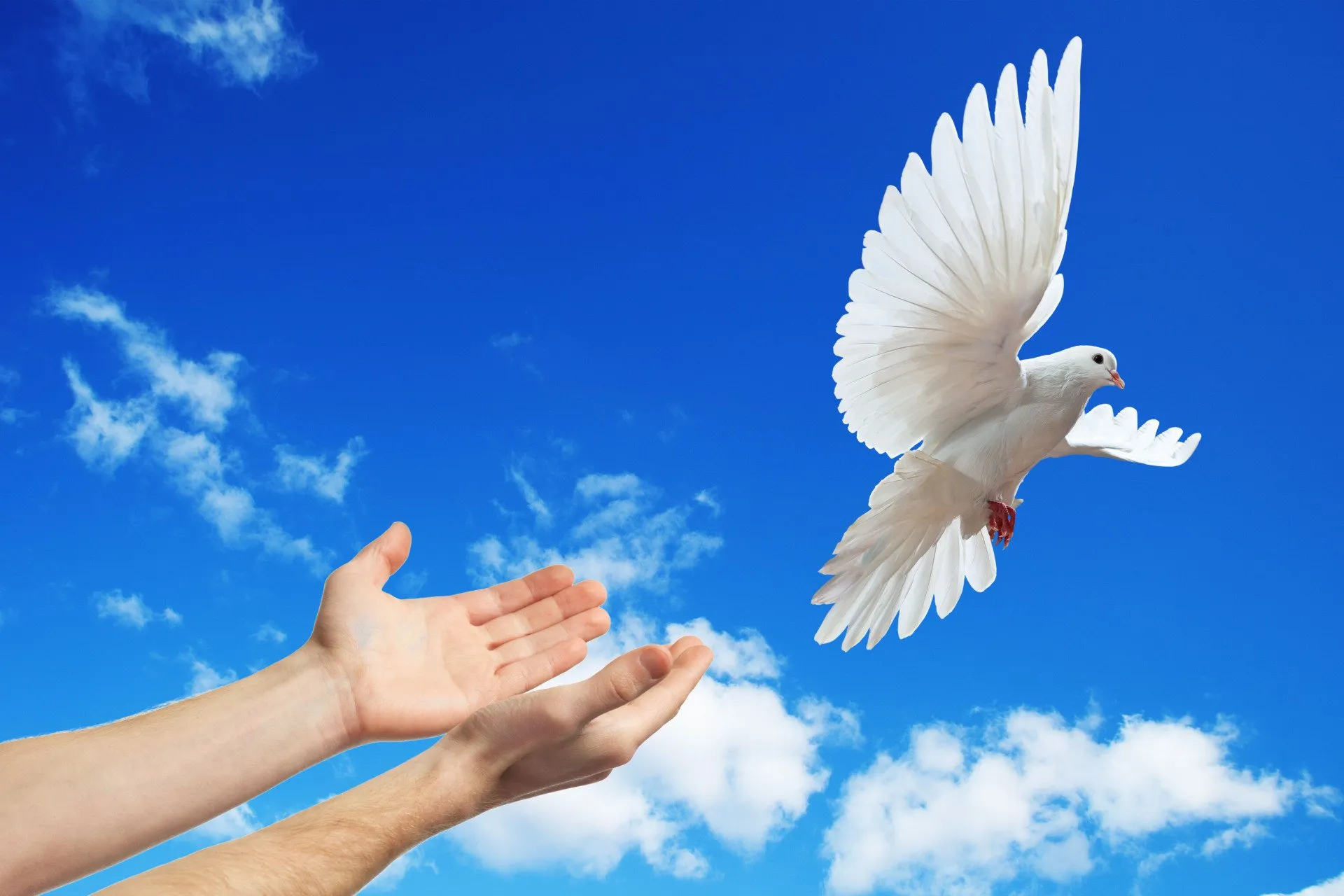
This idea is beautifully captured in the poem “Hum Panchhi Unmukt Gagan Ke.” It reminds us that birds of the open sky cannot live happily inside golden cages. Even if the cage offers food in golden bowls, it cannot replace the dignity of flying freely. A simple meal in freedom is better than luxury in captivity.
The same principle applies to animals. A farm, a zoo enclosure, or a cage may provide food and protection, but it cannot substitute for the ability to move, explore, and live according to one’s own instincts. Comfort without freedom is still captivity.
Some people respond that nature is violent. Animals hunt and kill each other in the wild. That is true—but there is a crucial difference. Violence exists in nature, but slavery does not. Wild animals are not owned. They are not confined for life, bred for profit, or prevented from escaping. When humans exploit animals in captivity, the situation is fundamentally unequal. The animal cannot leave. It cannot resist. Any act of harm becomes like fighting someone who is chained. The moral imbalance is obvious.
Animal liberation, therefore, is not just about kindness. It is about justice and freedom. Loving animals is good, but respecting their right to live freely is better. The goal is not to give animals a comfortable cage—it is to ensure that they never need a cage at all.